
Feeling “fine” is not the same as feeling like yourself.
You are not asking to turn back time. You want to sleep through the night. Think clearly. Feel desire. Build strength. Trust your energy—and recognize yourself again.
When hormones shift, the effects can reach far beyond hot flashes. Your mood, metabolism, confidence, recovery, intimacy, and body composition may change with them.
~75%
Of women experience hot flashes or night sweats during the menopause transition — lasting a median of 7.4 years.
Source: Avis et al., SWAN study (JAMA Internal Medicine, 2015).
Prescription treatment requires evaluation and approval by a licensed clinician.
Five options. No one-size-fits-all answer.
Clarity helps you understand what may be happening and prepare for a more informed medical conversation. Licensed clinicians through Altro Health review your history, determine whether treatment is appropriate, and prescribe and monitor when it is.
You didn’t lose your discipline. The rules changed.
Hormonal changes rarely arrive as one obvious event. They often appear as smaller changes that accumulate until your body no longer responds the way it once did.

- Sleep that breaks apart in the middle of the night
- Hot flashes or night sweats that interrupt your life
- Brain fog that makes simple things feel harder
- Mood changes, irritability, or anxiety that feel unfamiliar
- Less desire—or intimacy that has become uncomfortable
- Energy that disappears before the day is over
- Loss of strength or changes in body composition despite consistent effort
- Vaginal dryness, irritation, or recurring urinary discomfort
You are not imagining these changes. And “everything looks normal” is not the end of the conversation.
Hormone optimization is not about chasing the highest number or treating every symptom with a prescription. It is about understanding the full picture—your symptoms, history, goals, risks, and lab values—so a clinician can determine what is appropriate for you.
Your hormones work together. Your plan should, too.
Estrogen, progesterone, and testosterone influence different systems throughout the body. A shift in one can affect sleep, mood, temperature regulation, sexual health, energy, and physical resilience.
That does not mean every woman needs every hormone.
The right conversation begins with what changed, what matters most to you, and which options—if any—fit your medical history.

Hormone Education
Women need testosterone, too.
Testosterone isn’t a men’s-only hormone. Women produce it in the ovaries and adrenal glands, and it plays a meaningful role in desire, motivation, cognition, muscle and bone. Levels can decline with age, perimenopause, menopause, surgical menopause and changes in ovarian or adrenal function.
When testosterone declines, it may show up as:
- Less desire or sexual responsiveness
- Lower energy, motivation or confidence
- Brain fog and reduced mental sharpness
- Less strength, slower recovery or changing body composition
These symptoms can overlap with thyroid, estrogen, progesterone, sleep and metabolic concerns. That’s why treatment should begin with the whole picture—not one number.
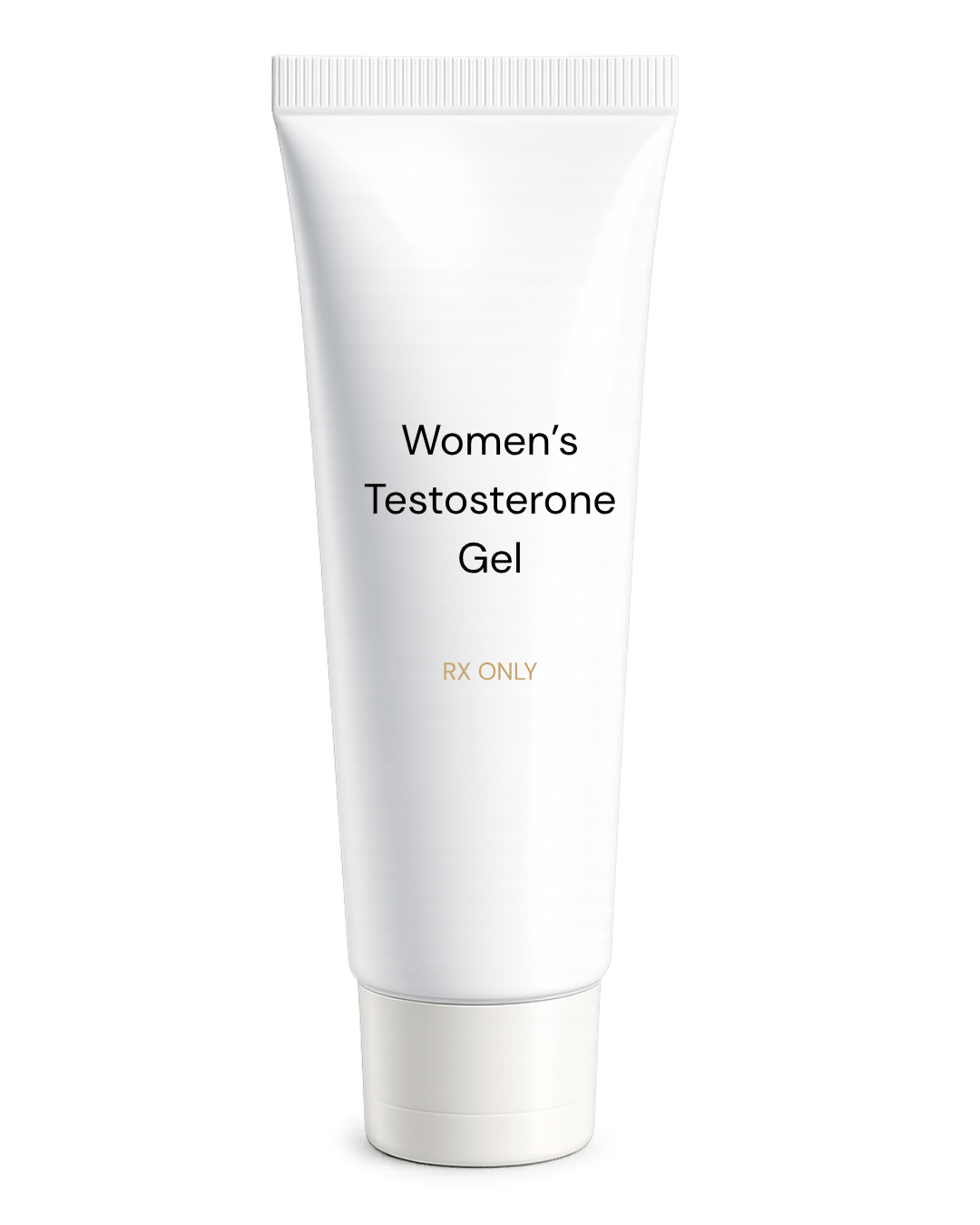
Topical gel
A daily, needle-free option. No initial labs are required to start; clinician-directed maintenance monitoring is required.
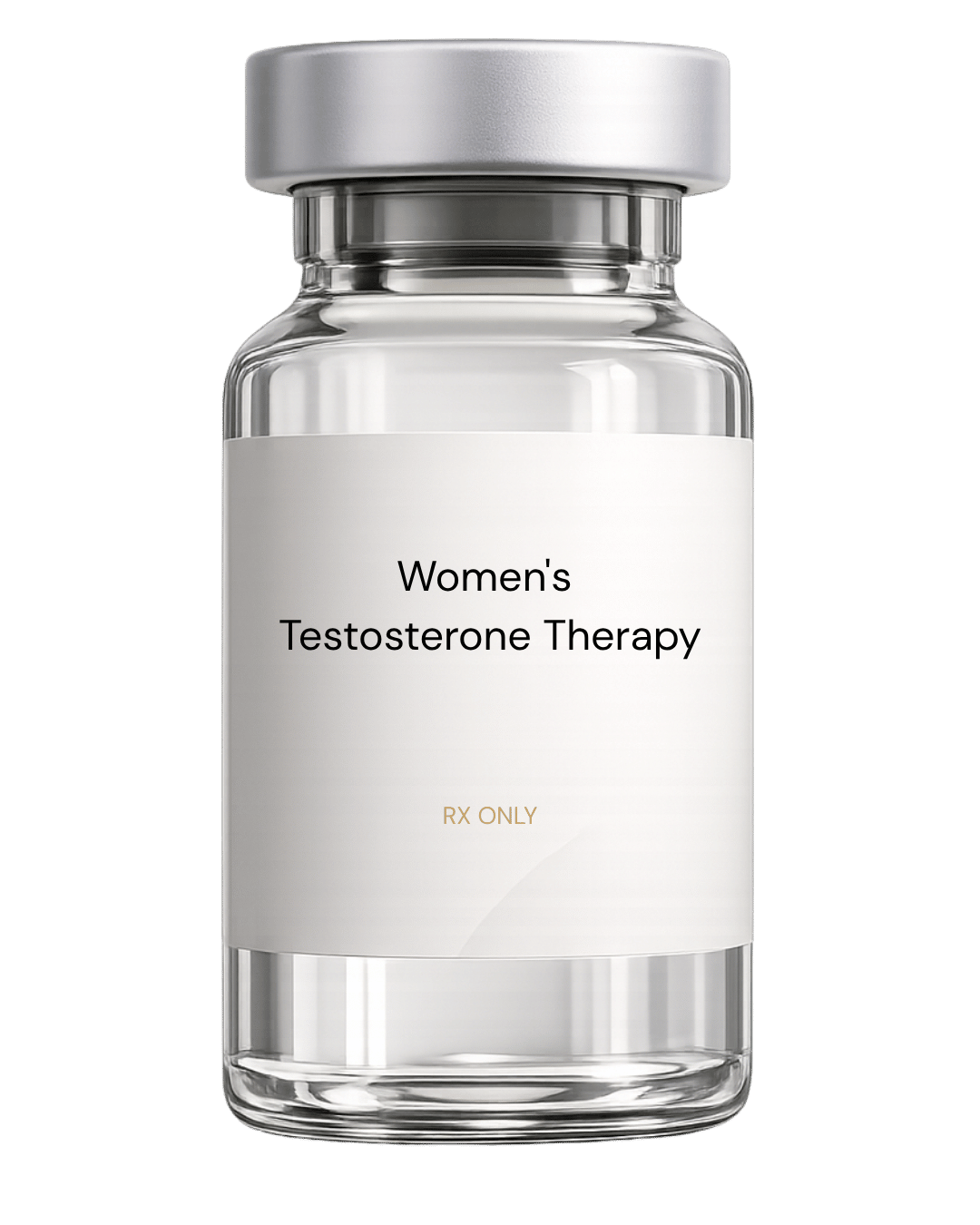
Injection therapy
A carefully titrated option that requires baseline and ongoing lab monitoring.
A clear path from questions to clinical care.
- 1
Explore your options
Learn how the available therapies differ and which questions you want to bring into your medical evaluation.
- 2
Complete your medical intake
Share your symptoms, medical history, current medications, and relevant lab work through Altro’s secure portal.
- 3
Receive a licensed clinician review
An independent licensed clinician evaluates your information and determines whether treatment is medically appropriate.
- 4
Begin a personalized plan—when approved
If prescribed, your treatment is prepared by a licensed pharmacy and shipped discreetly. Your clinician directs dosing and medical monitoring.
- 5
Build the habits that help your progress last
Clarity coaching supports the nutrition, strength, sleep, stress, and lifestyle practices that medication alone cannot replace.
A prescription can support your biology. It cannot rebuild your life for you.
Hormonal changes can disrupt the routines that once felt effortless. Sleep affects hunger. Stress affects recovery. Strength training influences muscle and bone. Nutrition affects energy and body composition.
Clarity helps you connect those pieces so your treatment—if prescribed—exists inside a stronger, more sustainable plan.
Coaching is educational and supportive. Clarity does not diagnose, prescribe, or replace your licensed medical team.


What women want to know before beginning
The goal is not to go backward.
It is to move forward feeling informed, capable, and connected to your body again.
Explore clinician-reviewed women's hormone options through Altro Health—or begin with a complimentary Clarity Call if you want help understanding the path ahead.